Every time you flush, water flows through your pipes. That much is clear. But what few people know is:
Not everything flows.
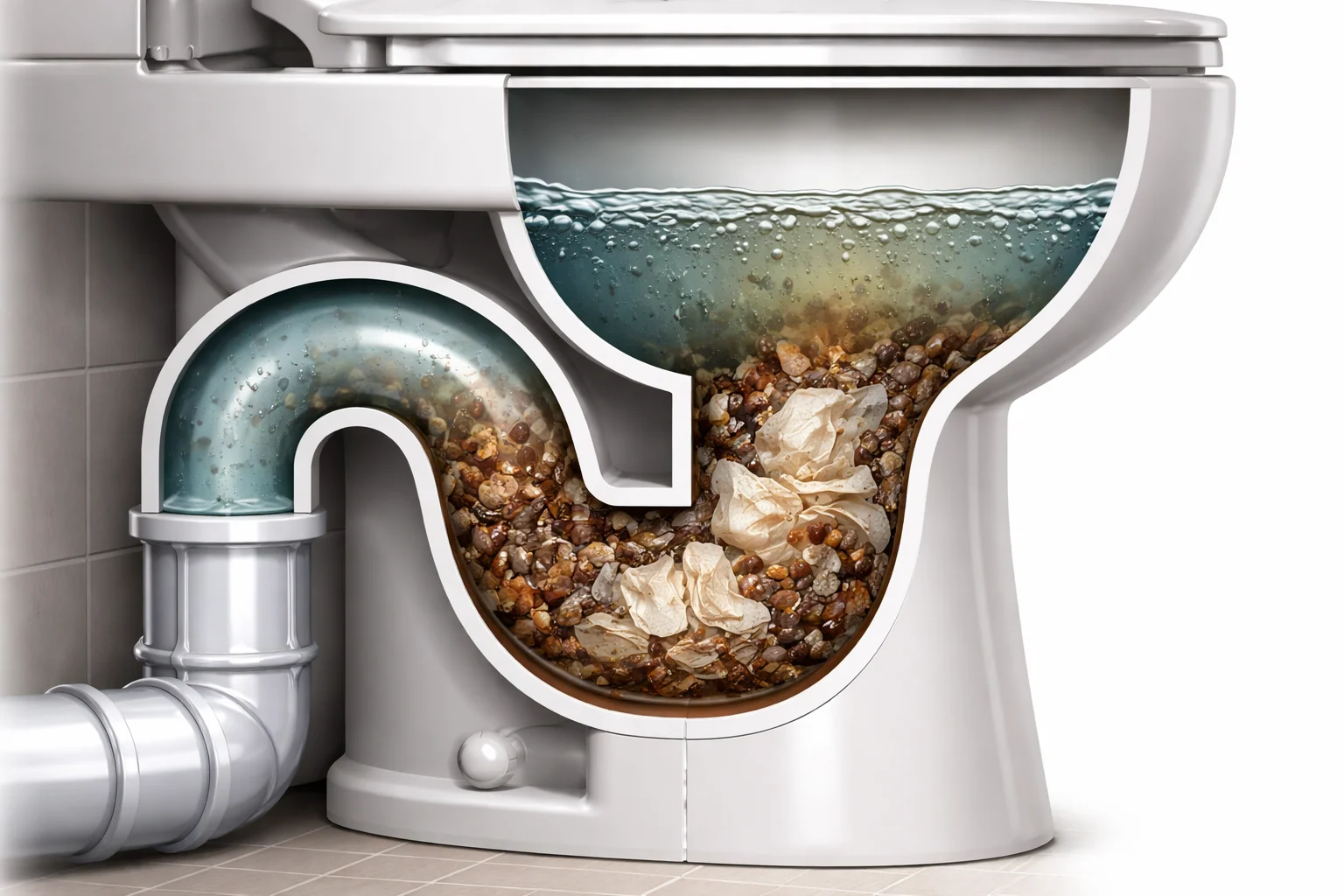
A very thin layer remains on the inside walls of your drain pipes after every flush. Grease, limescale, soap scum, organic residue, cellulose from toilet paper. Individually, these substances are barely measurable. But over weeks and months, this layer thickens into a tough, sticky coating.
Stefan Hofer calls it the "biofilm armour."
"Imagine your pipes are like arteries. And this biofilm is like cholesterol. It builds up layer by layer. Slowly. Invisibly. And at some point, the pipe is so narrowed that nothing can get through anymore."
And this is where it gets really disgusting:
This biofilm isn't just dirt. It's a living ecosystem of bacteria, fungi, and microorganisms. There are more bacteria per square centimetre in an average toilet drainpipe than on a public toilet seat.
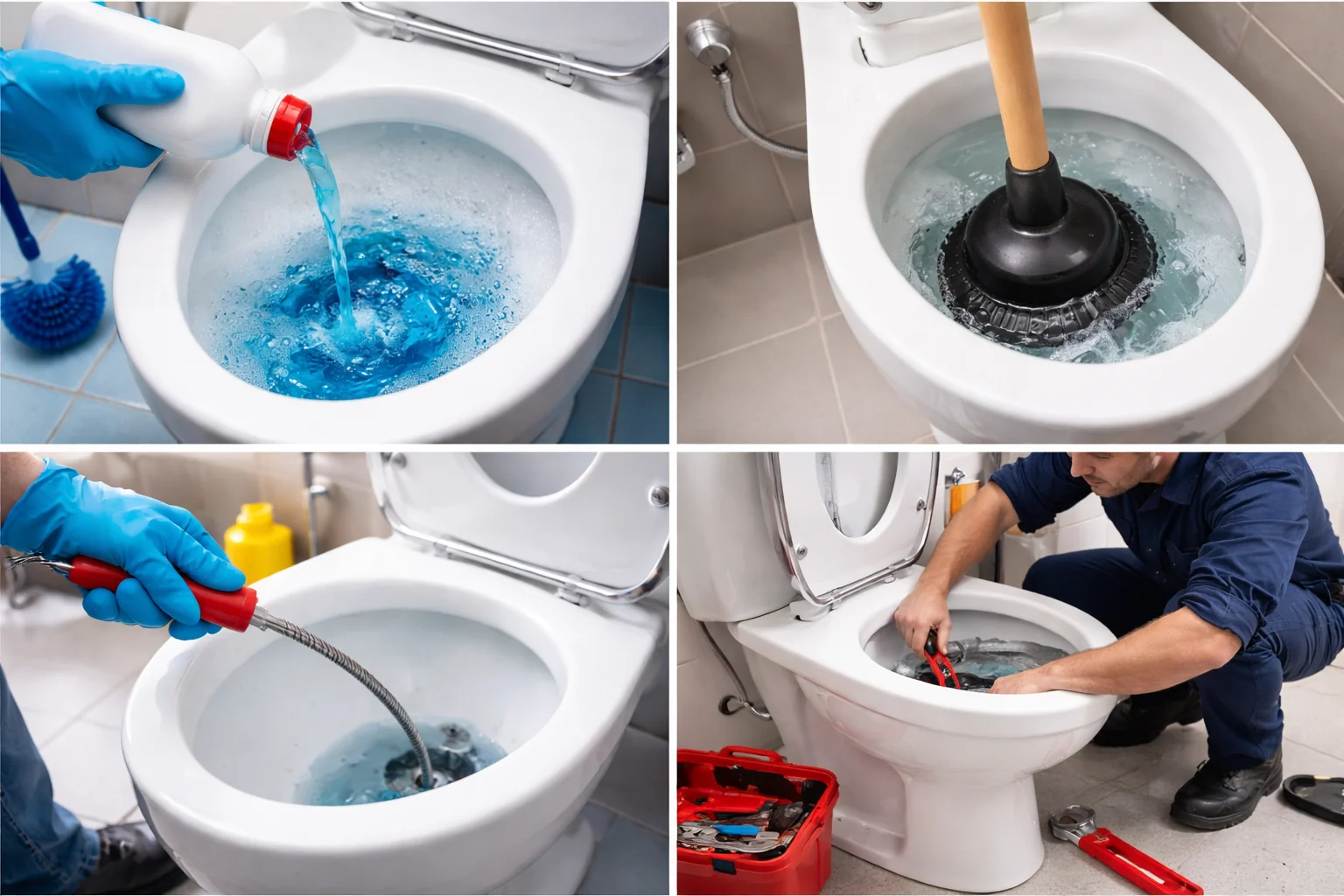
And the worst part: When you clean your toilet—with Duck, chlorine cleaner, tablets, or the toilet brush—you're only cleaning the ceramic. The visible surface. The pipes behind it? You can't reach them. Not with a brush. Not with a gel. Not with a tablet.
They are cleaning the front door while the rats multiply in the basement.